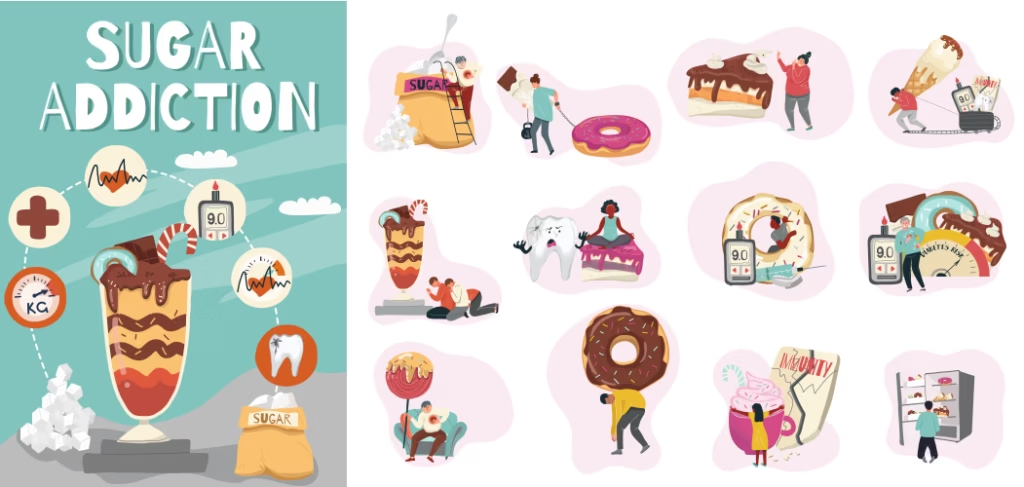
Sugar Addiction Awareness Day, observed annually on October 30th, serves as a poignant reminder of the challenges many face with sugar consumption. The date, strategically chosen as the eve of Halloween, underscores the irony of a holiday that celebrates sugar-laden treats. The primary goal of this day is to highlight the detrimental health effects of excessive sugar intake and to bring attention to the very real struggle of sugar addiction that many individuals face.
The inception of Sugar Addiction Awareness Day can be credited to author Jill Escher. Through her work, Escher emphasized the pressing need to address the harmful effects of sugar addiction. She brought to light the fact that while many individuals can consume sugar without any adverse effects, there’s a significant portion of the population for whom sugar acts as a trigger, leading to an uncontrollable desire for more. The societal norms that encourage and normalize sugar consumption, especially among children, are now being questioned more than ever. This day serves as a platform to challenge these norms and advocate for healthier dietary choices.
Sugar, often hidden in our daily diets, is found in many unexpected places. From condiments like ketchup and soy sauce to “light” yogurts, sugar has become a staple ingredient. Its appeal to food manufacturers lies in its ability to enhance taste, act as a preservative, and its cost-effectiveness. However, the health implications of sugar are far-reaching. For a segment of the population, even a modest amount of sugar can lead to intense cravings, making moderation a challenge.
The debate surrounding the addictive nature of sugar is ongoing among health professionals. However, what is undeniable is sugar’s ability to activate endorphin receptor sites in the brain, triggering a dopamine release similar to substances like morphine, cocaine, and nicotine. While research on rats has shown patterns of binge-eating after sugar consumption and withdrawal symptoms similar to opiate withdrawal 5, the human response to sugar is multifaceted and varies among individuals.
The significance of choosing Halloween Eve for Sugar Addiction Awareness Day cannot be understated. It’s a day that, for many, epitomizes the excesses of sugar consumption. The day aims to challenge the status quo and bring to the forefront the societal implications of sugar addiction, especially concerning children’s health. Jill Escher, in her advocacy, has not only highlighted the issues but also proposed actionable solutions, such as sugar-free Halloween celebration ideas. By doing so, she emphasizes the importance of proactive measures in addressing sugar addiction.
Sugar Addiction Awareness Day is more than just an annual observance; it’s a call to action. As the holiday season approaches, it’s an opportune time to reflect on our dietary choices and recognize the signs of potential sugar addiction. Whether termed as “sugar addiction,” “sugar compulsion,” or “excessive consumption,” the underlying message remains consistent: the need for awareness, moderation, and proactive measures to ensure a healthier lifestyle.